What Living in Edmonds WA Feels Like Day to Day
Wondering what day-to-day life in Edmonds actually feels like, beyond the pretty waterfront photos? If you are thinking about moving here, downsizing nearby, or simply getting to know the area better, it helps to picture the real routine. Edmonds stands out because water views, local errands, downtown stops, and commute options all sit close together, creating a lifestyle that feels connected and manageable. Let’s dive in.
Edmonds is a compact waterfront city in South Snohomish County with 42,853 residents across 8.9 square miles. It sits about 15 miles north of Seattle and 18 miles south of Everett, which gives you a local feel with access to larger job and activity centers.
What makes Edmonds distinctive is how much fits into a small footprint. The city describes a setting with west-facing Puget Sound slopes, views of the water and Olympic Mountains, four beaches and waterfront parks, and a compact downtown that supports walking and short local trips.
In some places, the beach is a special outing and downtown is a separate destination. In Edmonds, those parts of life overlap more naturally. The area around Edmonds Station is near downtown, the waterfront beaches, and the ferry terminal, so a workday, coffee stop, and evening walk can all happen within the same small area.
That closeness shapes everyday routines. You may find that errands feel less like a production, and getting outside can become part of a normal weekday instead of something you save for the weekend.
Edmonds has 47 park and open-space sites along with one mile of shoreline. The city’s waterfront access is centered around beach parks and marine sanctuary areas, including Brackett’s Landing North and South, Marina Beach, and Olympic Beach.
Inland green spaces also add variety to daily life. Yost Park, Pine Ridge Park, and Edmonds Marsh give you more options for walking, quiet time outdoors, and changing up your routine without going far.
These spaces are not just scenic. Brackett’s Landing North includes the Edmonds Underwater Park for divers, Olympic Beach includes a fishing pier, and the preserved marine sanctuary areas support recreation that feels woven into the community rather than tucked away.
Edmonds presents walking as part of everyday mobility, not just exercise. The city’s South County Walks program includes a Tuesday morning Edmonds Walk at the Waterfront Center that runs about 3 miles, and city resources for biking and walking support non-car travel.
That matters if you value a lifestyle where you can move through the day a little more casually. In Edmonds, a walk might mean exercise, a waterfront break, an art outing, or a practical trip through downtown.
Downtown Edmonds still centers on 5th Avenue and Main Street, described by the city as the Heart of Downtown. It remains a civic, cultural, and business hub, and that long-standing role helps the area feel active beyond the typical lunch or dinner rush.
The current downtown mix includes boutiques, bookstores, galleries, record stores, coffee shops, restaurants, wine bars, fishmongers, and service businesses. For you, that can translate into a downtown that supports both browsing and practical errands.
Parking also plays a role in how usable downtown feels. Edmonds Downtown Alliance notes free on-street parking as well as public and after-hours lots, which helps keep quick stops and casual visits convenient.
If you want a place where arts and local culture feel visible, Edmonds has a strong identity in that area. The city says downtown Edmonds is Washington’s first certified Creative District, with theaters, museums, galleries, performance venues, public art, and creative small businesses all part of the district.
The public art presence is substantial. Edmonds reports more than 65 outdoor installations and more than 150 portable works, and walking-tour maps tie together art, historic sites, and the Stages of History corridor along 4th Avenue North and Main Street.
That means local culture is not limited to one big venue or a once-a-year event. It shows up in the streetscape, in public spaces, and in the places you might already visit during a normal week.
Edmonds also has a steady calendar of recurring events that can make the city feel lively without feeling overwhelming. The city’s summer schedule includes free concerts in City Park and Hazel Miller Plaza during July and August, along with free Friday movie nights in city parks.
Other recurring events include Art Walk Edmonds, the Edmonds Museum Summer Market, PorchFest, and Main Street Commons. Together, these events create a rhythm of regular public activity that can help you feel connected to the area throughout the year.
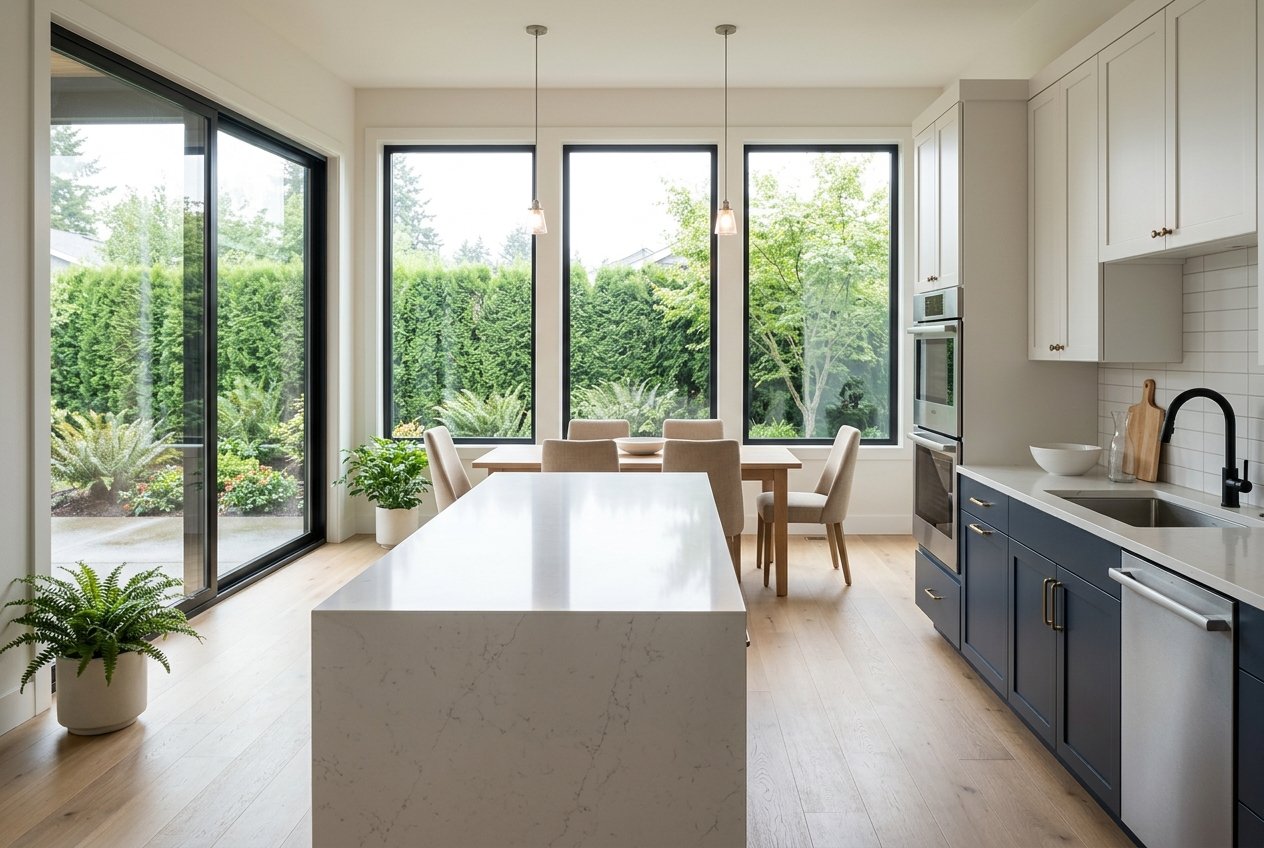
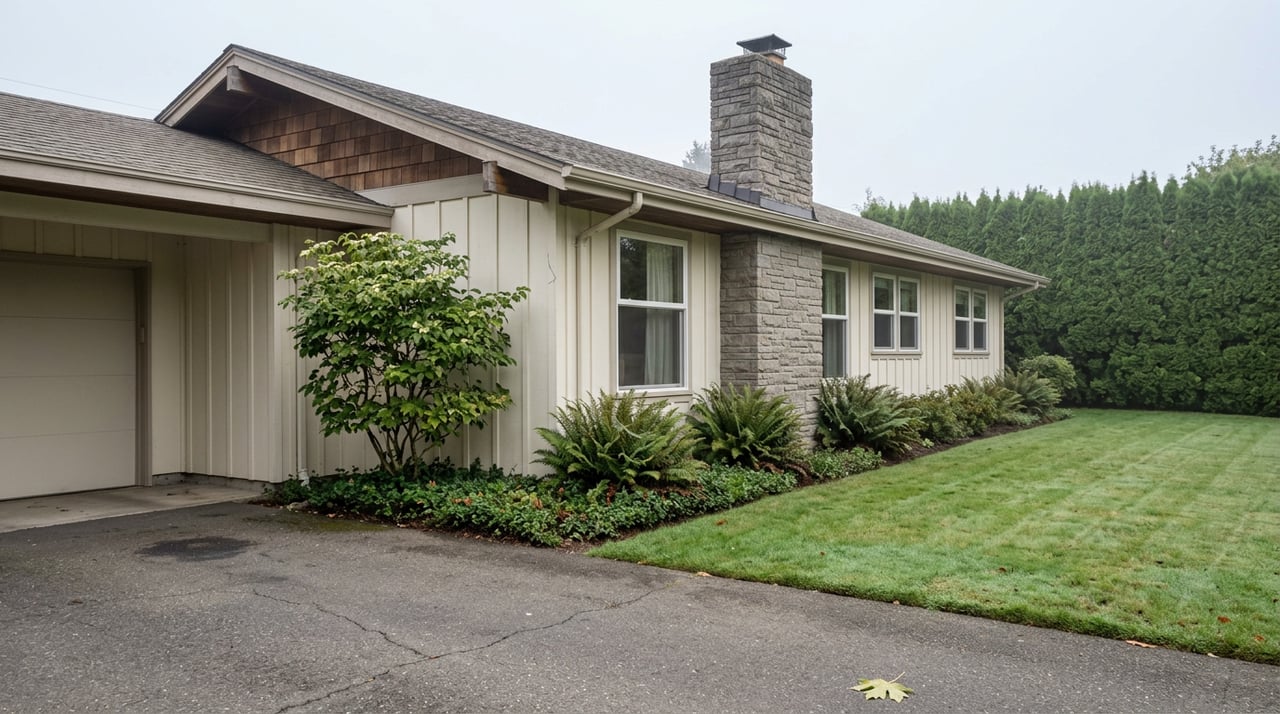
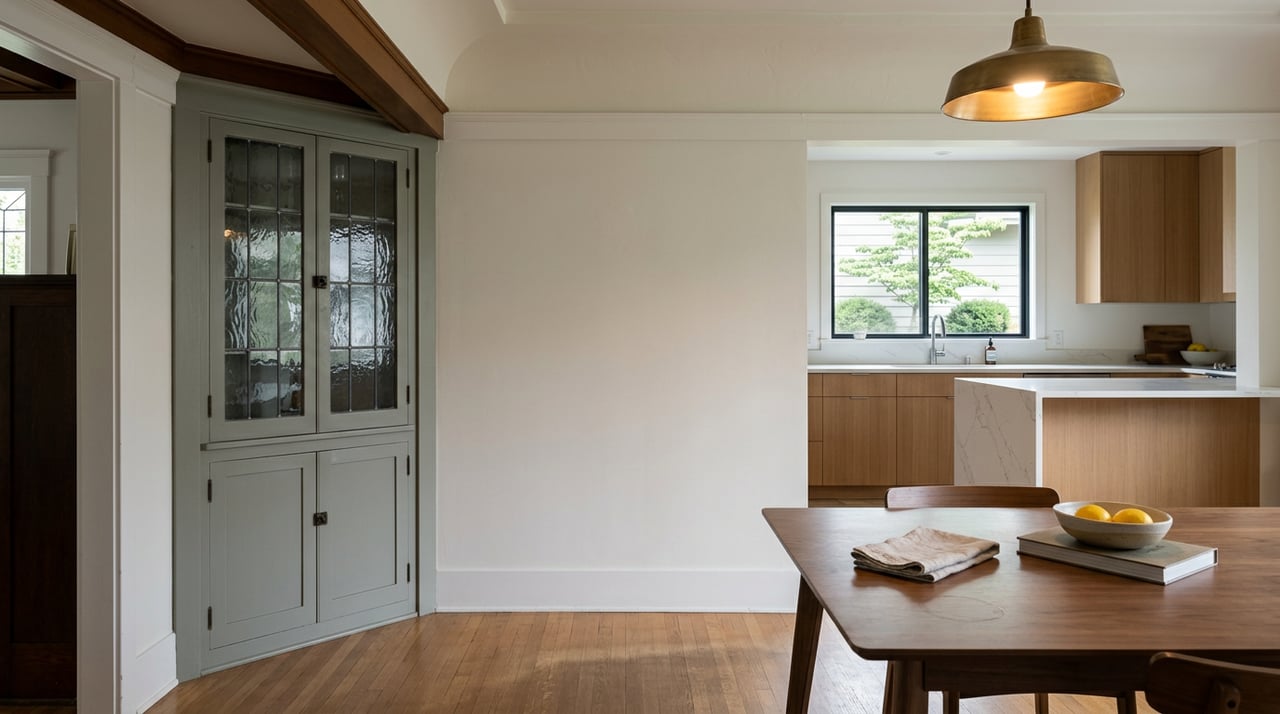
For a compact city, Edmonds offers a fairly layered housing mix. Historic survey findings show that many older residential properties date to the 1920s, often in vernacular styles, with Queen Anne and Craftsman examples as well as mid-century neighborhoods such as Northstream Lane.
That older housing fabric sits alongside downtown mixed-use areas and newer development flexibility. In 2025, Edmonds adopted middle-housing rules that allow duplexes, triplexes, fourplexes, cottage homes, and courtyard apartments in areas that had been zoned for single-family homes.
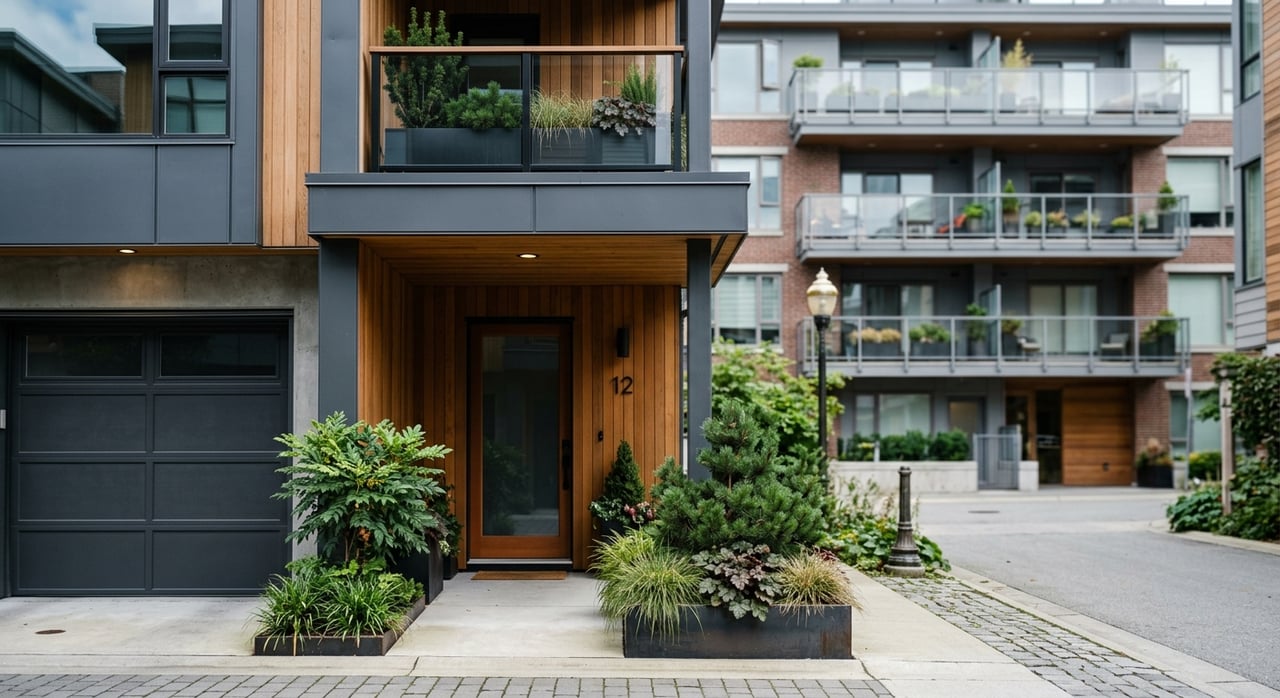
The city’s multifamily standards also address apartments and townhouses. In practical terms, you can expect a mix of older detached homes, mid-century houses, lower-rise apartments and townhomes, and some newer infill housing formats.
Current Census data show 19,479 housing units and 18,627 households in Edmonds. The owner-occupied rate is 70.9%, the median owner-occupied home value is $890,100, the median gross rent is $1,903, and the median household income is $122,449.
Those numbers point to an ownership-heavy market with established demand and meaningful price pressure. If you are buying, selling, or relocating, it helps to go in with clear expectations about competition, price points, and the type of home that best fits your goals.
One reason Edmonds works well for many buyers is that it can serve as a comfortable home base while still offering regional access. The city says the community is reachable by Amtrak, Sound Transit commuter rail, Community Transit buses, Washington State Ferries, automobiles, and bicycles.
Sound Transit’s Edmonds Station serves Amtrak Cascades and the Sounder N Line, and the N Line currently runs on weekdays. Community Transit also connects Edmonds Station to Lynnwood City Center Station on Route 102, with additional Swift and local service across the area.
For you, that can mean more than one way to structure a commute or regional trip. It also supports a lifestyle where you can stay rooted in a smaller waterfront city while remaining connected to Seattle, Snohomish County, and the ferry corridor.
The simplest way to describe Edmonds is that it feels self-contained without feeling isolated. You can have access to shoreline parks, a walkable downtown core, recurring arts and community events, and multiple transportation options in a relatively compact setting.
That combination often appeals to first-time buyers, move-up buyers, downsizers, and relocators who want convenience with character. Instead of choosing between scenic surroundings and practical daily living, Edmonds tends to offer both in the same routine.
If you are exploring Edmonds as your next move, the details matter. Home style, budget, commute needs, and how you want your day-to-day life to feel all play a big role. When you want calm, personalized guidance around buying, selling, or relocating in Edmonds and nearby north suburbs, Mauri Tracy is here to help.
Experience personalized guidance, clear communication, and dedicated support focused on helping you achieve your real estate goals with confidence.
Mauri Tracy | Windermere Real Estate
MAURI TRACY | WINDERMERE REAL ESTATE
2737 77th Ave SE , Ste 100 Mercer Island, WA 98040