Why a Sewer Scope Only Solves Half of Ballard's Inspection Problem
What does a $300 camera inspection actually protect you from in Ballard? The honest answer depends on which Ballard you're buying into, and most advice on this topic treats the neighborhood as one market with one risk. It isn't. Walk the grid streets north of Market Street and you're looking at a different set of problems than you'll find three blocks over on a new townhome lot near 15th Ave NW. One issue is in the sewer line; the other is in the title documents. Only one of them shows up on a sewer camera.
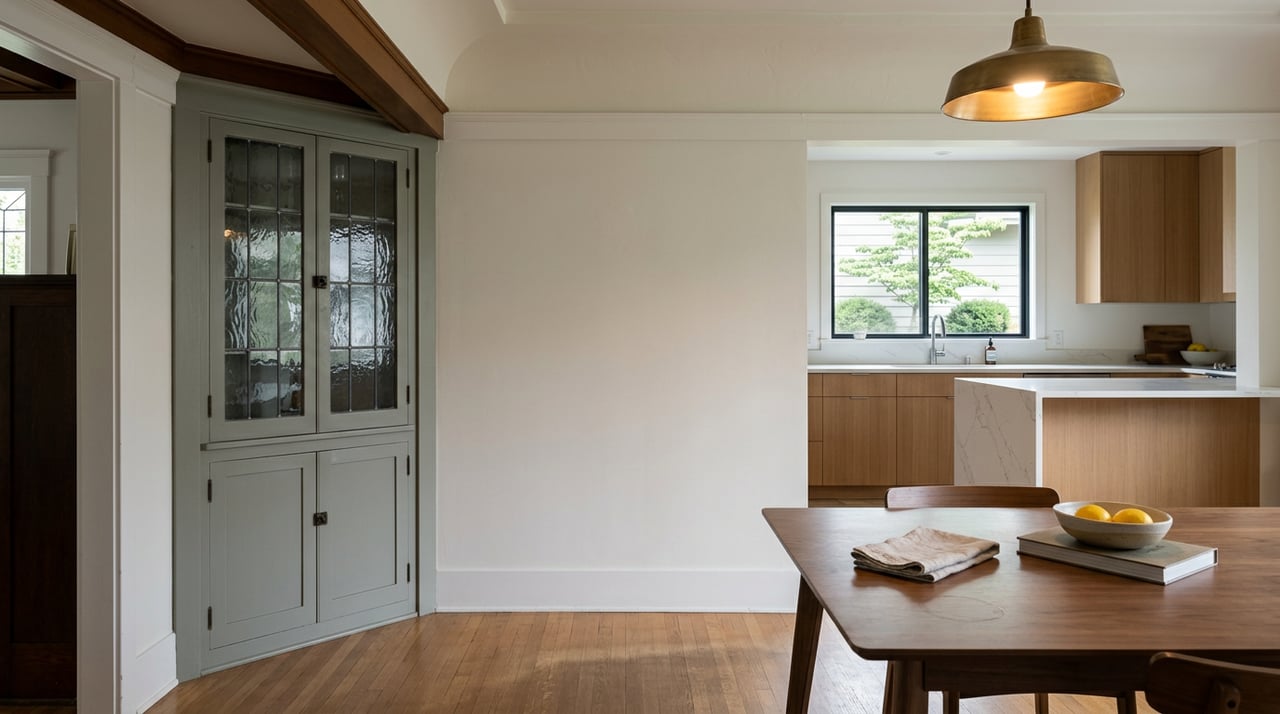
Ballard's residential character split into two distinct eras, and each one buried a different kind of risk. The blocks north of Market are still lined with Craftsman bungalows built in the 1920s and 1930s, part of a stretch of pre-World War II growth that outpaced every other neighborhood in the city. Those homes typically change hands somewhere between $900,000 and $1.4 million depending on condition and lot size, and the pipe running from the house to the street is usually the same age as the roof: original clay, cast iron, or an early repair patched decades ago. Root intrusion from a century of mature street trees is a known, predictable failure mode in housing stock this age.
The second Ballard is newer. Recent zoning shifts around the NW 65th St corridor opened a wave of new-construction townhomes, and the modern three-story builds along 15th Ave NW and the side streets near Market now typically list between $650,000 and $900,000, with condos near the commercial core running $500,000 to $700,000. These properties don't have century-old clay pipes. They have something a sewer camera can't detect at all: a shared sewer lateral, driveway, or roof governed by a Joint Maintenance Agreement that's often buried not in the ground but in the title commitment.
That's the thesis worth sitting with before you order any inspection. In Ballard, "get a sewer scope" is correct advice for exactly one of these two housing eras. For the other, the diligence question isn't about pipe material at all.
| Ballard housing era | Typical price range | Dominant hidden risk | What actually catches it |
|---|---|---|---|
| Craftsman bungalows, 1920s-1930s, north of Market | $900,000 - $1.4 million | Aging clay or cast-iron side sewer, root intrusion | Independent sewer scope during inspection |
| New-construction townhomes, 15th Ave NW / NW 65th corridor | $650,000 - $900,000 | Buried Joint Maintenance Agreement covering shared sewer lateral, driveway, or roof | Reading the title commitment closely, not the home inspection |
| Condos near the commercial core | $500,000 - $700,000 | Reserve funding and special assessments | Reserve study and board minutes, a separate diligence track entirely |
For the bungalow buyer, the math is not close. An independent sewer scope during the inspection period typically runs $250 to $400. A failed side sewer line replaced out to the city main runs anywhere from $10,000 to $40,000 or more, especially where the trench has to cross under the sidewalk and street to reach the main. King County's own guidance to homeowners is direct about who carries that cost: every property has one sewer pipe connecting the house to the larger system, and maintaining it is the property owner's responsibility, not the city's. The county's advice for anyone buying a house is simple: always get a side sewer inspection before you close.
A three-hundred-dollar camera pass either confirms you're fine or hands you a negotiating position before you've spent a dollar on repairs. Skipping it doesn't save you the three hundred. It just moves the bill to after closing, when it's yours alone.
For the townhome buyer, no camera changes that math because the risk isn't in the pipe. It's in the paperwork governing who pays when the shared lateral, shared driveway, or shared roof needs work. That agreement sits in the title commitment, so waiving title review may mean missing the terms that govern shared maintenance.
If you're buying or selling one of Ballard's older bungalows, the mechanics of a sewer scope matter more than the general home inspection does. It's a video camera run through a cleanout or plumbing access point, checking the line for cracks, root intrusion, bellies, and offset joints. It's ordered separately from the general inspection, usually by the buyer, and it's common practice in older Seattle neighborhoods precisely because so much of the housing stock predates modern plumbing standards.
A few things worth knowing before you're at the table:
Ballard's new construction doesn't carry the same clay-pipe exposure, but density brought its own quiet liability. When several units share a driveway, a roof plane, or a single sewer lateral running to the street, someone has to define who pays when that shared infrastructure needs work. That's a Joint Maintenance Agreement, and it's frequently buried deep in the title commitment rather than flagged anywhere in the marketing materials or even the general inspection report.
A vague JMA can make future shared costs harder to assess. Review the title commitment before waiving the title contingency so you understand the agreement's terms.
Washington's disclosure and inspection process runs on a specific sequence, and knowing the order protects your leverage:
If you're planning repair work rather than just diagnosing a problem, the process moved recently. As of October 1, 2025, Seattle Public Utilities took over all side sewer permitting and inspections from the Seattle Department of Construction and Inspections. Permits are now valid for 18 months, and any work touching the public right-of-way, which is common when a Ballard repair trench has to reach the street, requires a separate Seattle Department of Transportation permit on top of the side sewer permit itself.
If you're selling a Craftsman bungalow north of Market, a pre-listing scope can work in your favor, but only if you're prepared for what it might show. A clean scope becomes a selling point you can put in front of buyers early. A scope that finds root intrusion or an aging clay joint gives you the choice to fix it on your terms and timeline rather than negotiating from a weaker position mid-transaction.
If you're buying that same bungalow, order your own independent scope even if the seller hands you one. It costs a few hundred dollars and it's the cheapest information you'll get all year relative to what a failed line costs to fix.
If you're on either side of a newer Ballard townhome, the inspection contingency matters less than the title review. Ask specifically whether a Joint Maintenance Agreement exists, read what it actually assigns, and don't waive title contingency until you understand who pays for the next shared repair.
Who pays for a side sewer repair in Ballard, the city or the homeowner? The homeowner. The side sewer is defined as the pipe from the house to the public main, and King County's guidance is explicit that maintaining it is the property owner's responsibility, including sections running under the sidewalk or street.
Is a Joint Maintenance Agreement the same thing as an HOA? No. A JMA is typically a private agreement between a small number of adjoining properties covering specific shared infrastructure like a driveway or sewer lateral. It's usually found in the title commitment rather than in HOA governing documents, which is exactly why it's easy to miss.
Do I need a sewer scope on a condo? Side sewer condition generally isn't the relevant risk for a condo purchase. Reserve funding, board minutes, and pending special assessments are the diligence questions that matter more there, and they run through a different track entirely.
Ballard's two housing eras ask two different questions before you sign anything. Getting the right one in front of you before your contingencies expire is the whole game. If you're weighing a purchase or a sale on either side of Market Street, Mauri Tracy can walk through what your specific address is likely to need before you're locked into a decision. Let's Connect.
This article is general information, not legal, tax or financial advice. Consult a qualified professional about your situation.
Experience personalized guidance, clear communication, and dedicated support focused on helping you achieve your real estate goals with confidence.
Mauri Tracy | Windermere Real Estate
MAURI TRACY | WINDERMERE REAL ESTATE
2737 77th Ave SE , Ste 100 Mercer Island, WA 98040