Bothell Septic Inspection Rules Before You Sell
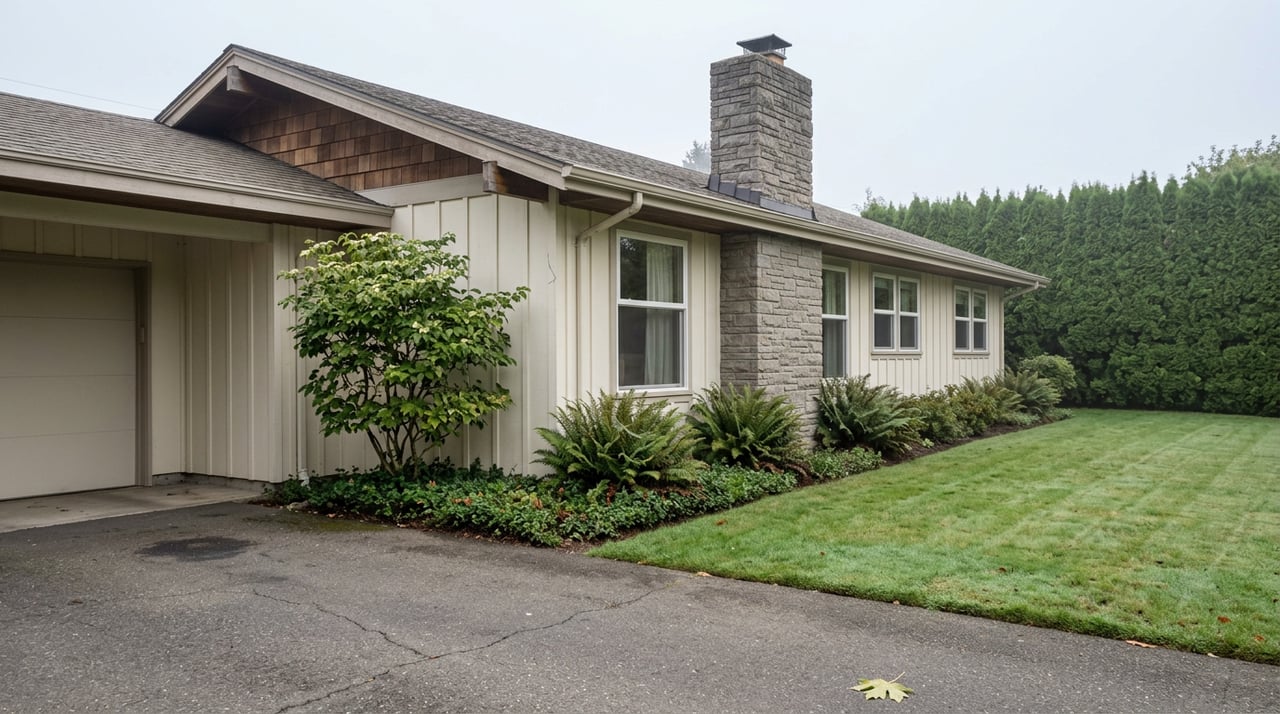
Picture two Bothell homes a few blocks apart, both on septic, both about to list. One sits on the King County side of town. Its seller already knows the drill: according to King County, the system has to be inspected before the title can transfer, a rule that has been in place for years. The other sits on the Snohomish County side. As of today, that seller has no such requirement. List tomorrow, and nothing about the septic system has to happen before closing beyond the standard disclosure form.
Come November 1, that second seller's assumption stops being true. Snohomish County's Board of Health adopted an ordinance this year requiring septic systems to be inspected before a property sale, except systems installed within the twelve months before a sale, and the rule takes effect that day. For a city split almost down the middle by a county line, that means Bothell now has two different sets of transaction requirements running on two different timelines, and one of them is about to change under sellers who have no reason yet to know it.
King County's rule is not new. Properties there with a septic system must have the system inspected by a certified on-site system maintainer before the title transfers, and that requirement has shaped how King County-side Bothell sales get scheduled for a while now.
Snohomish County has operated differently. Its health district has not required a septic inspection or pumping specifically tied to a home sale, leaving pumping and inspection largely up to buyer request or lender requirement. That gap is what the new ordinance closes. Once the deadline runs, Snohomish falls in line with King, Skagit, and Island counties, which already require these inspections at point of sale.
Here is how the two sides compare as of today, and how the picture shifts once November arrives:
| King County (current) | Snohomish County (before Nov 1, 2026) | Snohomish County (after Nov 1, 2026) | |
|---|---|---|---|
| Inspection required before sale | Yes | No | Yes, except for systems installed within the previous 12 months |
| Who performs it | Licensed On-Site System Maintainer | Not mandated | |
| Report validity window | Must be current at transfer | N/A | Up to 12 months, can be completed up to a year before closing |
| Program fee | Varies by inspector | N/A | $245 in 2026 |
Both counties are converging toward the same destination. Washington's statewide rule, WAC 246-272A-0270, makes septic inspection at time of sale mandatory in every county by February 1, 2027. Snohomish is simply getting there first among its neighbors that hadn't already adopted the requirement.
The Snohomish County Board of Health described the reasoning plainly when it adopted the change. Board of Health Chair Megan Dunn said the inspections help protect the environment and public health, ensure septic systems are properly maintained, and give homebuyers clear information about a property's condition.
The mechanics matter for anyone timing a listing. The Lynnwood Times reports that inspections can happen up to a year before closing, which gives sellers real room to get ahead of the requirement rather than scrambling once an offer is in hand. Systems installed within the twelve months before a sale are exempt, since they're already recently verified. Application review for the Report of Property Transfer typically takes up to ten days, and once issued, the report stays valid for a year.
If a deficiency goes unresolved, it doesn't disappear. It carries forward to the buyer, who then has to deal with an issue that's now part of the property's documented record rather than a private matter between neighbors and their pumper.
Roughly 2,000 homeowners in Bothell rely on a septic system rather than city sewer, according to the city's own utilities page. That's not a small footnote. It means a meaningful share of listings across town will run into one of these two processes, and which one depends entirely on which side of the county line the parcel sits.
Septic systems in Bothell tend to cluster in the city's older housing cohorts and its manufactured home communities, areas that were built or platted before sewer lines reached them. Maywood Hills, one of Bothell's more established pockets, is largely 1950s through 1970s ramblers and split-levels on generous lots, the kind of housing stock that often predates a public sewer connection. The Thrasher's Corner-Red Hawk corridor mixes 1970s ramblers with newer construction, another likely candidate for older on-site systems. Canyon Park's 55-plus manufactured home communities, including parks like Green Acres and Canyon Park Mobile Estates, are also common septic territory, since manufactured housing on owned lots frequently sits outside city sewer service even in otherwise well-connected parts of town.
None of this means every home in these areas is on septic, or that septic is absent elsewhere. It means a seller in one of these pockets has real reason to check now, rather than assuming their county's old rule still applies once fall arrives.
The twelve-month window built into Snohomish's new program is the detail worth acting on. A seller who won't list until next spring could schedule the septic inspection today, months ahead of the November 1 effective date, and that same report would still satisfy the requirement once it applies to their sale, since Snohomish allows inspections completed up to a year before closing.
Cost is manageable when planned for. A full septic evaluation typically runs $200 to $500, and routine pumping falls in the $300 to $600 range depending on tank size and system type. Where costs escalate is on the repair side. A failed drain field can exceed $20,000 to replace, and Washington's seller disclosure law under RCW 64.06 requires disclosing known septic defects regardless of which county the home sits in. Finding a problem before it becomes part of a buyer's inspection contingency gives a seller options that disappear once an offer is already on the table.
For a King County-side seller, none of this changes what they've already been navigating. For a Snohomish-side seller, the smart move is treating today the way a King County neighbor already has to, well ahead of the date that makes it mandatory.
How do I find out if my Bothell home is on septic or connected to city sewer? The city's sewer service page lists the multiple districts operating in and around Bothell, and your county's environmental health department can confirm which system serves your specific parcel.
Does the new Snohomish rule apply if I already had my septic system inspected recently? Systems installed within the past twelve months are exempt, and existing inspection reports may satisfy the requirement if they fall within the program's validity window. Confirming this with the county before listing avoids a surprise later.
What happens if my septic system fails inspection right before closing? If problems go unresolved, they become part of the record the buyer inherits, which can affect financing, price, or whether the deal proceeds at all.
Septic timing is one of those details that rarely shows up on a market snapshot but can reshape a closing timeline overnight. If you're weighing a sale on either side of Bothell's county line, or just want a clear read on what your specific address requires before you list, Mauri Tracy is happy to walk through it with you. Let's Connect.
This article is general information, not legal, tax or financial advice. Consult a qualified professional about your situation.

Experience personalized guidance, clear communication, and dedicated support focused on helping you achieve your real estate goals with confidence.
Mauri Tracy | Windermere Real Estate

MAURI TRACY | WINDERMERE REAL ESTATE
2737 77th Ave SE , Ste 100 Mercer Island, WA 98040