Living in Ballard Seattle: What to Expect Day to Day
Wondering if Ballard is the kind of Seattle neighborhood you could truly enjoy day to day? If you want a place with a strong local identity, easy access to shops and parks, and housing options that range from condos to classic older homes, Ballard often ends up on the shortlist. Here’s what it’s like to live in Ballard, what buyers tend to love, and the tradeoffs to weigh before you make a move. Let’s dive in.
Ballard does not feel like just another Seattle neighborhood. It began as an independent city and was annexed by Seattle in 1907, with roots in timber, shingles, fishing, and Scandinavian immigrant communities. That history still shows up in the area’s civic spaces and overall character today.
You can see that identity in places like the Ballard Branch library, which highlights the neighborhood’s maritime heritage, and Gemenskap Park, whose Swedish name reflects Ballard’s Scandinavian influence. If you like neighborhoods that feel established and grounded, Ballard offers that right away.
One of the best ways to describe Ballard is as a compact urban village. Seattle’s design guidance points to a distinct character core with historic and heritage buildings, street-level shops, and a walkable business district. In practical terms, that means many daily errands, coffee runs, and dinner plans can happen close to home.
Instead of a quiet, spread-out suburban layout, Ballard gives you a more active street scene. That can be a major plus if you want energy and convenience, but it also means the neighborhood can feel busier and denser than some outer Seattle areas.
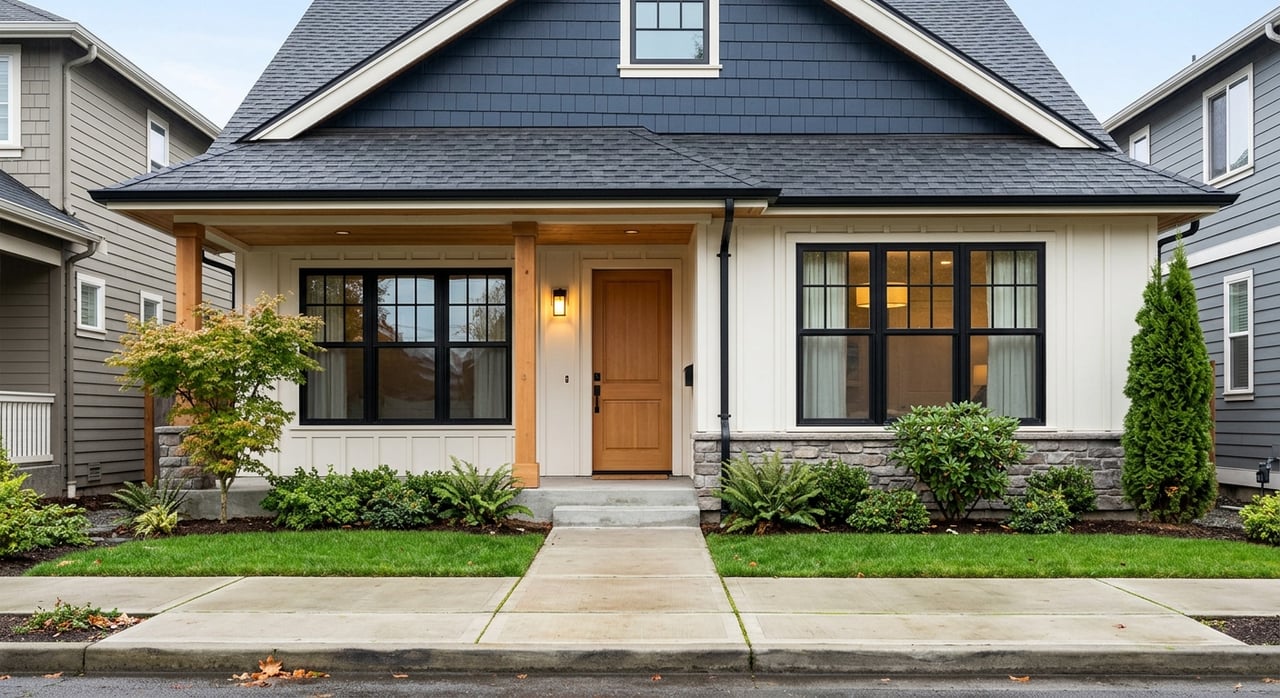
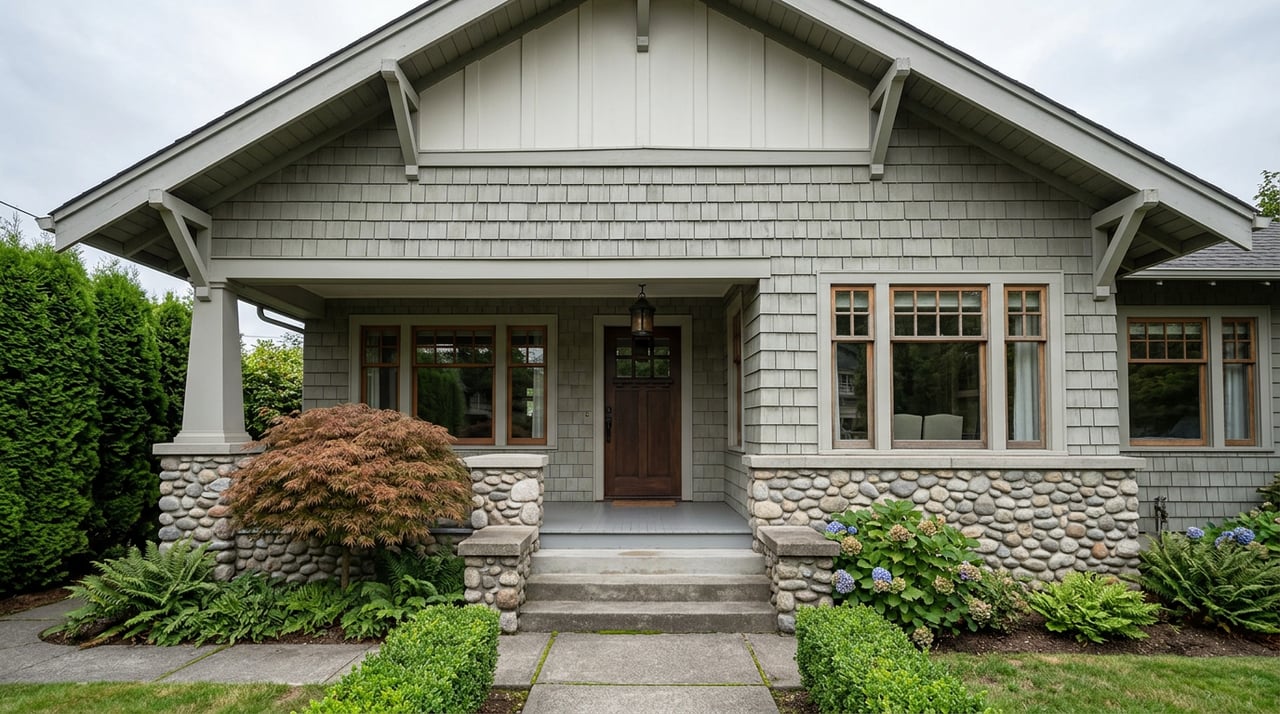
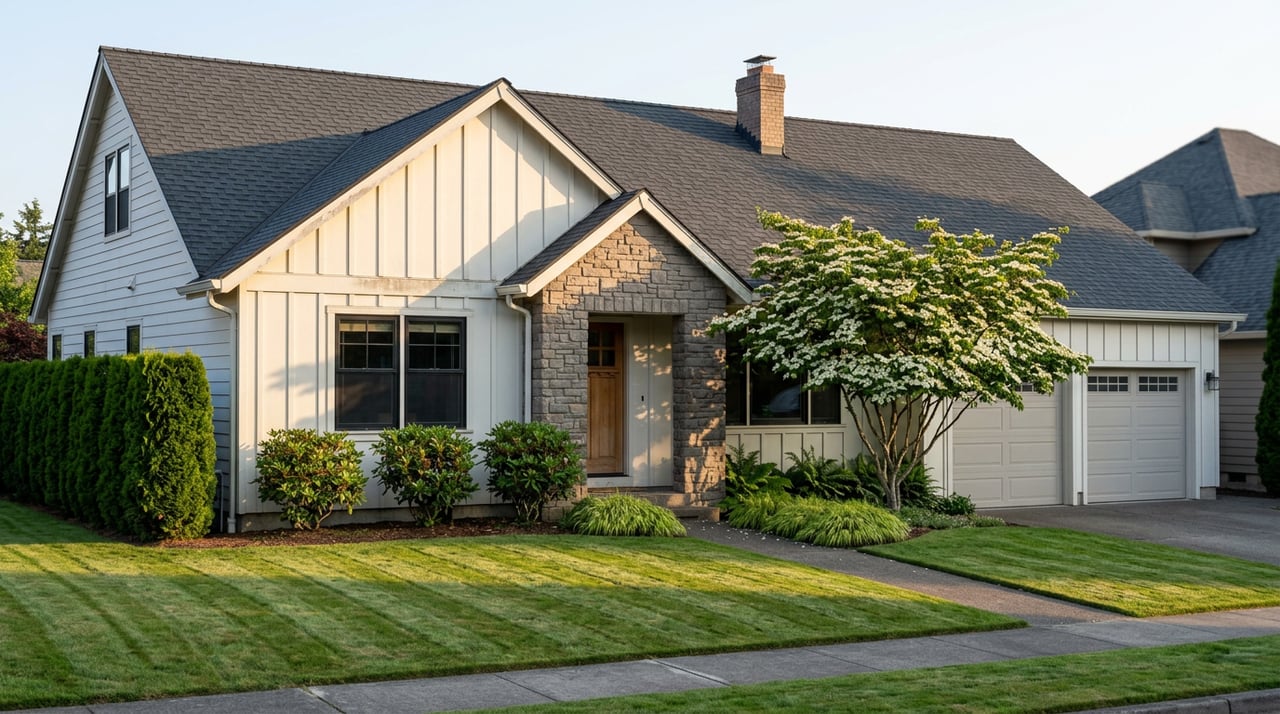
If you are exploring homes in Ballard, you will find a wide mix of styles and property types. Historical records for Ballard and nearby Crown Hill include Victorian and Queen Anne homes, Craftsman houses, American Foursquares, Colonial Revival, Tudor Revival, Minimal Traditional homes, and Ranch styles.
That variety is part of what makes Ballard appealing. You are not limited to one look or one kind of living experience, which gives buyers more ways to match a home to their budget, lifestyle, and maintenance preferences.
Ballard’s housing stock has changed over time. City records note that some older modest houses have been replaced by larger infill homes and multifamily buildings. Planning documents also show zoning that supports cottages, townhouses, rowhouses, apartments, and newer midrise buildings.
For you as a buyer, that means Ballard can offer options at different entry points, especially if you are open to a condo or townhome. At the same time, it helps explain why one block may feel more traditional while the next includes newer development.
Ballard is generally described in city planning materials as more expensive than Seattle and King County overall. Buyers are often drawn to the location, walkability, and lifestyle, but those benefits usually come with a higher price point than many outlying neighborhoods.
You may also need to compromise on lot size, yard space, or overall square footage. If your top priority is space first, Ballard may feel limiting. If your top priority is being close to dining, parks, and daily conveniences, the tradeoff often feels worth it.
For many residents, Ballard’s appeal is not just about the home itself. It is about how easy it is to enjoy the neighborhood on foot. Market Street and Ballard Avenue are known for independent shops, cafés, restaurants, and bars, which creates a steady neighborhood rhythm throughout the week.
The Sunday Ballard Farmers Market is another big part of local life. Visit Seattle notes that it has operated since 2000 and is the city’s first year-round neighborhood farmers market focused on Washington-grown produce. If you like places where weekend routines feel built in, Ballard delivers that naturally.
Ballard offers a strong mix of urban energy and outdoor access. Golden Gardens is the standout park, with Puget Sound shoreline, Olympic Mountain views, wetlands, a short loop trail, a restored beach, a fishing pier, a boat launch, fire pits, and an off-leash area.
That park gives Ballard something many city neighborhoods do not have: a genuine beach-neighborhood feel inside Seattle. If being near the water matters to you, Golden Gardens can become a big part of your daily or weekly routine.
Beyond Golden Gardens, Ballard has smaller civic and green spaces that make the neighborhood feel livable. Ballard Commons Park includes lawns, public art, a skate bowl, a water feature, and ADA walkways. It also sits near the Ballard municipal center, which includes the library branch and Neighborhood Service Center.
Gemenskap Park added green space along with pedestrian, bicycle, and transit-safety improvements. Webster Park also came out of community demand for more open space. Together, these places add breathing room to a denser neighborhood pattern.
Ballard’s civic core is unusually complete for a neighborhood center. The Ballard Community Center is within walking distance of the Ballard Locks and Market Street shops and restaurants, and it offers programs, preschool, childcare, and sports.
That kind of infrastructure can make daily life feel more connected and convenient. The Ballard Branch library also serves as a Northwest Seattle hub, adding another useful community anchor beyond parks and retail.
If you want a Seattle neighborhood where you may not need to rely on a car for every trip, Ballard stands out. King County Metro’s RapidRide D Line connects Crown Hill, Ballard, Interbay, Uptown, and Downtown Seattle, which can be a meaningful advantage for commuting or getting into the city.
Ballard also benefits from the Burke-Gilman Trail, which runs more than 20 miles from Shilshole Bay to Bothell and crosses through the neighborhood. If biking, walking, or mixed-mode commuting matters to you, that access can shape your everyday experience in a good way.
Ballard tends to fit buyers who want neighborhood energy, visible history, dining, parks, and transit access in one place. It can be especially appealing if you are a first-time buyer who is comfortable with a condo or townhome, or if you are moving up and want a more urban lifestyle while staying connected to Seattle conveniences.
This is also a neighborhood that can work well if you value experience over extra space. You are often choosing access, walkability, and character over a larger yard or a quieter, lower-density setting.
Ballard is easy to fall for, but it helps to be honest about your priorities. The neighborhood’s walkable core, active shops, and street-level energy are part of the appeal, yet they also create a busier and denser environment than some buyers expect.
Before you decide, think about what matters most in your next move:
The clearer you are on those answers, the easier it becomes to tell whether Ballard is a great match or just a neighborhood you enjoy visiting.
If you are considering Ballard, the right approach is to look beyond listing photos and think about how you want your days to feel. A neighborhood with this much personality can be a fantastic fit when your lifestyle and housing goals line up. If you want calm, local guidance as you compare Ballard with other North Seattle options, Mauri Tracy is here to help.
Experience personalized guidance, clear communication, and dedicated support focused on helping you achieve your real estate goals with confidence.
Mauri Tracy | Windermere Real Estate
MAURI TRACY | WINDERMERE REAL ESTATE
2737 77th Ave SE , Ste 100 Mercer Island, WA 98040